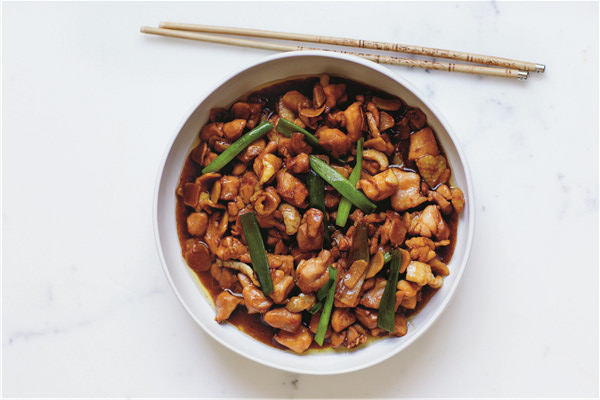
Chinese Cooking Technique: Stir-frying
Introduction
Stir-frying is a cooking technique that involves cooking food quickly at high temperatures using a small amount of oil in a wok or a pan. This method is prevalent in various Asian cuisines, particularly in China, and is celebrated for its ability to preserve the natural flavors, textures, and nutritional value of the ingredients. Stir-frying is characterized by its focus on maintaining the vivid colors and crisp textures of vegetables while ensuring meats are tender and flavorful. The process involves constant stirring and tossing of the ingredients, ensuring even cooking and the development of a harmonious amalgamation of flavors.
Stir-frying has gained immense popularity beyond its Asian roots, finding a place in households and restaurants globally. This cooking method is not only efficient but also adaptable, allowing it to accommodate a wide range of ingredients and culinary styles. Stir-frying can be employed in the preparation of both simple and complex dishes, highlighting its versatility. The technique is not only a cornerstone of traditional Chinese cooking but also a reflection of the cultural emphasis on balance, harmony, and the use of fresh ingredients.
History
Stir-frying is deeply entrenched in the history of Chinese cuisine, with roots tracing back to ancient times. The technique is believed to have originated during the Han Dynasty (206 BC–AD 220), although it became more prominent during the Tang (618–907) and Song (960–1279) dynasties when the use of woks became more widespread. The method aligns closely with the Chinese philosophy of yin and yang, where balance and harmony are achieved not only in life but also in gastronomy.
Initially developed as a method to conserve fuel by reducing cooking time, stir-frying quickly evolved into an art form, symbolizing a sophisticated approach to food preparation. It is during the Song Dynasty that stir-frying gained significant recognition, as it was during this era that the technique was refined, and the wok became an essential element in Chinese kitchens.
As cultural exchanges between China and other regions increased, stir-frying spread to other Asian countries, each adopting and adapting the technique to fit their culinary traditions. This historical diffusion eventually led to the global popularity of stir-frying, influencing contemporary cooking practices worldwide.
Techniques
Basic Techniques
The basic technique of stir-frying involves several key steps that contribute to its effectiveness. The process begins with the preparation of ingredients, which are typically cut into uniform, bite-sized pieces to ensure even cooking. Once the ingredients are ready, the cooking process moves quickly, requiring the cook to be attentive and ready to adapt to the changing conditions in the wok.
The wok is preheated to a high temperature before the addition of oil, which is often swirled to coat the entire surface. This ensures that the heat is evenly distributed, preventing food from sticking and allowing for a quick sear. Aromatics such as garlic, ginger, or chili are often introduced first to infuse the oil and create a flavorful base for the dish.
As the main ingredients are added, constant stirring and tossing are essential to maintain even cooking and prevent the food from burning. This requires skill and experience, as the cook must manage the heat and the movement of the ingredients simultaneously. The speed at which the food is cooked also helps in preserving its nutritional value, making stir-frying not only efficient but also health-conscious.
Common Tools Used
The wok is the quintessential tool used in stir-frying, known for its curved shape and versatility. It is designed to handle high heat and provides the ideal surface for tossing and stirring ingredients. Woks are traditionally made of carbon steel, which conducts heat efficiently and develops a natural non-stick surface over time. Other materials, such as cast iron and stainless steel, are also used, each offering distinct advantages.
In addition to the wok, a wok spatula is commonly used to manipulate the food. This tool is designed to conform to the shape of the wok, making it easier to stir and toss ingredients. Other tools that may be used include bamboo steamers, which can be placed over the wok for steaming, and wok rings, which stabilize the wok on flat surfaces.
Ingredients
Common Ingredients
Stir-frying is celebrated for its versatility, accommodating a vast array of ingredients. Commonly used vegetables include bell peppers, broccoli, bok choy, snow peas, and carrots, all of which retain their vibrant colors and textures when cooked quickly. Proteins such as chicken, beef, pork, seafood, and tofu are frequently used, often marinated to enhance their flavors and tenderness.
Aromatics play a crucial role in stir-frying, with garlic, ginger, and scallions being staples that add depth and complexity to the dishes. Sauces such as soy sauce, oyster sauce, hoisin sauce, and sesame oil are employed to create a harmonious blend of flavors, complementing the natural taste of the ingredients.
Regional Variations
In Chinese cuisine, regional variations are especially pronounced, with each area infusing its unique flavors and techniques. Cantonese stir-frying, for example, is known for its light and fresh flavors, often using simple seasonings to allow the ingredients to shine. In contrast, Sichuan stir-frying is characterized by bold and spicy flavors, utilizing ingredients like Sichuan peppercorns and chili as key components.
In other Asian cuisines, such as Thai, Japanese, and Korean, stir-frying is adapted to include local staples and flavors. Thai stir-frying often incorporates fish sauce, lime, and basil, while Japanese stir-frying might use ingredients like miso and sake. Korean stir-frying, or bokkeum, frequently features gochujang (Korean chili paste) and sesame oil, creating uniquely flavorful dishes.
Health and Nutrition
Stir-frying is often regarded as a healthy cooking method due to its quick cooking time and minimal use of oil. This technique preserves the nutritional integrity of the ingredients, maintaining vitamins, minerals, and antioxidants that might otherwise be lost in longer cooking processes. The rapid cooking at high heat ensures that vegetables retain their crispness and color, while proteins are cooked to a tender and flavorful finish.
The use of fresh, high-quality ingredients is central to stir-frying, aligning with modern dietary trends that emphasize whole foods and balanced meals. The ability to control the amount and type of oil used further enhances the health benefits of stir-frying, making it a preferred method for those seeking nutritious and delicious meals.
Cultural Significance
Stir-frying holds significant cultural importance, particularly in Chinese cuisine, where it embodies the principles of balance, harmony, and respect for ingredients. It is not only a cooking technique but also a symbol of culinary tradition and innovation, reflecting the cultural values of efficiency and artistry in food preparation.
In many Asian households, stir-frying is a daily practice, passed down through generations as a shared cultural experience. The technique fosters a connection to heritage and identity, serving as a link between past and present culinary practices. It is also a communal activity, often bringing families together in the preparation and enjoyment of meals.
In a broader context, the global popularity of stir-frying highlights its cultural adaptability and influence, showcasing how traditional methods can transcend borders and resonate with diverse audiences. The technique's emphasis on fresh, flavorful, and visually appealing dishes continues to inspire chefs and home cooks worldwide, reinforcing its enduring significance in the culinary world.








